

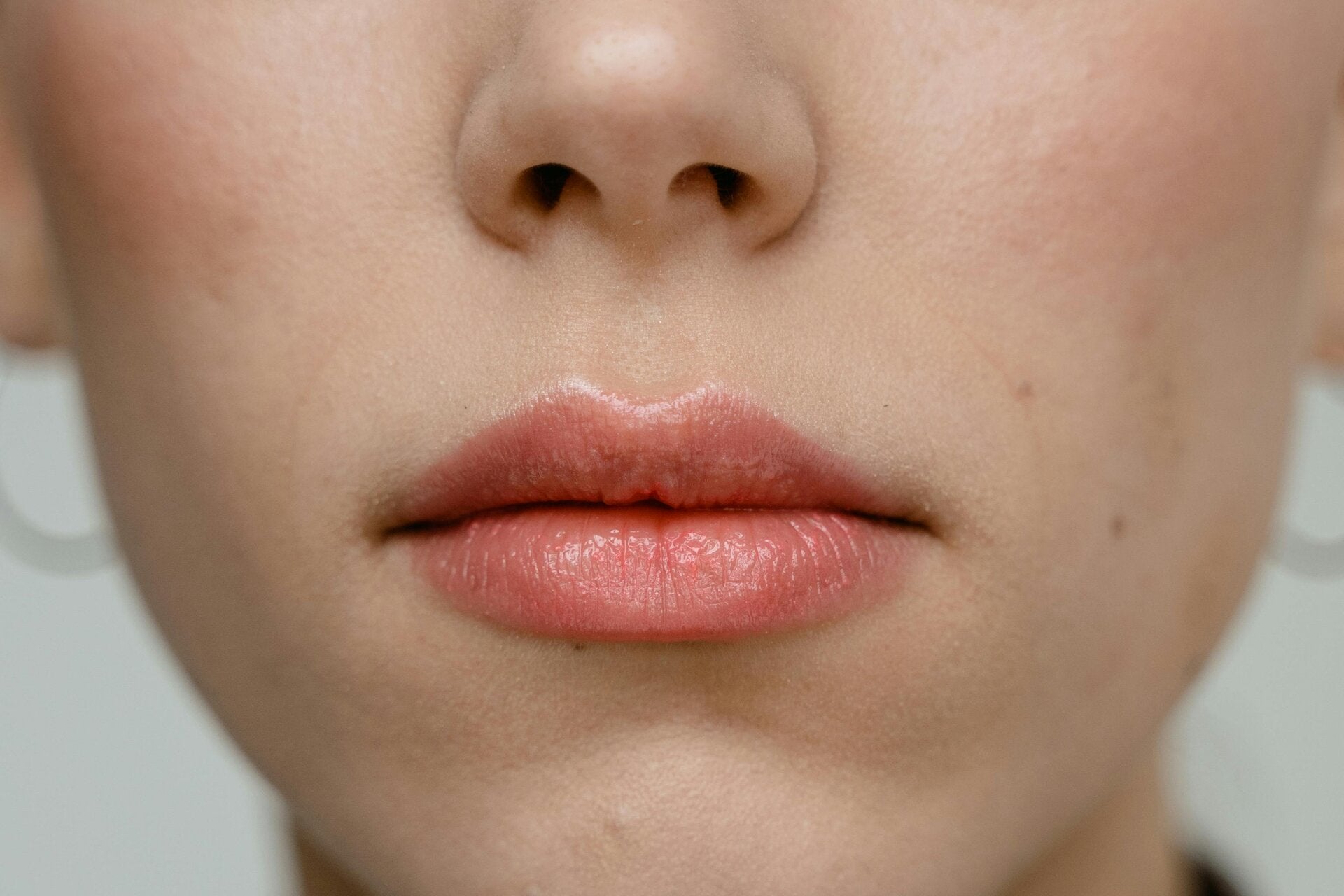
Lip filler remains one of the most talked-about treatments in aesthetics, but it is also one of the most misunderstood.
For some, it is seen as a simple way to add volume. For others, it is associated with overfilled results and trend-led treatment decisions. The reality sits somewhere in the middle. When approached well, lip filler can be a subtle, considered treatment. When approached badly, it can quickly become a reminder of why consultation, technique and restraint matter so much in aesthetics.
That is why patients should understand far more than just the end result before going ahead.
Lip filler is not one-size-fits-all
One of the biggest misconceptions around lip filler is that the same treatment suits everyone. It does not.
Lips differ hugely in shape, size, structure, symmetry, movement and skin quality. Some patients naturally have good definition but want a little more fullness. Others may want to restore volume that has reduced over time. Some are looking for improved shape, while others want hydration and a smoother appearance rather than a noticeably bigger lip.
A good treatment plan should take all of that into account. It should never be based purely on a photo, a trend or what suits somebody else.
The best results usually come from working with the individual lip rather than trying to force the same outcome on every patient.
Consultation matters more than people think
Lip filler is often marketed in a very casual way, but it should still begin with a proper consultation.
That consultation is where a patient should be able to talk openly about what they want, what they are unsure about and what kind of result they feel comfortable with. It is also where expectations should be managed properly. Not every lip can or should be treated in the same way, and not every goal can be achieved in one appointment.
This stage is important because it helps move the conversation away from impulse and towards informed decision-making. Patients should understand what the treatment involves, what product may be used, what the result is likely to look like, how swelling may affect the early appearance and what aftercare may be needed.
A good consultation should feel calm, honest and clear. It should not feel rushed or overly sales-led.
Natural-looking results are often the goal
One of the reasons lip filler continues to divide opinion is because people tend to notice the most obvious examples first. Overfilled lips are highly visible. Subtle work is often far less noticeable, which is usually the point.
Many patients are not looking for a dramatic change. They may simply want a little more shape, better balance, a more hydrated look or a softer improvement in volume. In these cases, the treatment should support the natural proportions of the face rather than dominate them.
This is where judgement becomes so important. More product does not automatically mean a better result. In fact, restraint is often one of the clearest signs of good aesthetics.
The most flattering outcome is usually one that still looks like the patient, just fresher, more balanced or slightly more refined.
Swelling can affect early expectations
One of the most common reasons patients feel unsure after lip filler is because they judge the result too quickly.
Lips often swell after treatment, and that early swelling can make the result look larger, firmer or less even than the final settled outcome. This is normal, but it is something patients should be told beforehand so they know what to expect.
There may also be temporary tenderness, minor bruising or a feeling of firmness in the area during the early stages. This does not necessarily reflect the final result. The lips need time to settle.
That is why it is important not to panic, overanalyse or assume the immediate post-treatment appearance is the finished look. Good communication around aftercare and healing makes a big difference here.
Suitability is part of good treatment
Lip filler may be popular, but that does not mean it is appropriate for every patient in every situation.
Suitability depends on more than simply wanting the treatment. Lip anatomy, previous filler history, skin condition, facial balance and treatment goals all matter. In some cases, it may be better to take a more gradual approach. In others, it may be more appropriate to advise against treatment or delay it.
This is one of the clearest differences between patient-focused aesthetics and trend-driven aesthetics. A responsible approach does not begin and end with demand. It includes professional judgement.
Patients should feel reassured by that, not discouraged by it. Good aesthetics is not about saying yes to everything. It is about making the right decisions for the person in front of you.
Why aftercare still matters
Like all treatments, lip filler should not be viewed as ending the moment the appointment is over.
Patients should know how to care for the area afterwards, what to avoid in the early period, what is considered normal and when they should ask for advice. That aftercare process is part of the treatment experience and says a lot about the standard of care behind it.
It also helps patients feel supported during the period when swelling, sensitivity or uncertainty are most likely to arise. In aesthetics, that reassurance matters.
Conclusion
Lip filler can be a very effective treatment when it is approached with care, good judgement and realistic expectations. But it should never be treated as casual just because it is common.
Patients deserve more than a quick appointment and a popular treatment name. They deserve clear information, an honest consultation, thoughtful treatment planning and a result that suits them rather than the trend of the moment.
In the end, the best lip filler work is rarely the loudest. It is the work that feels balanced, considered and right for the individual.
Add comment
Comments