

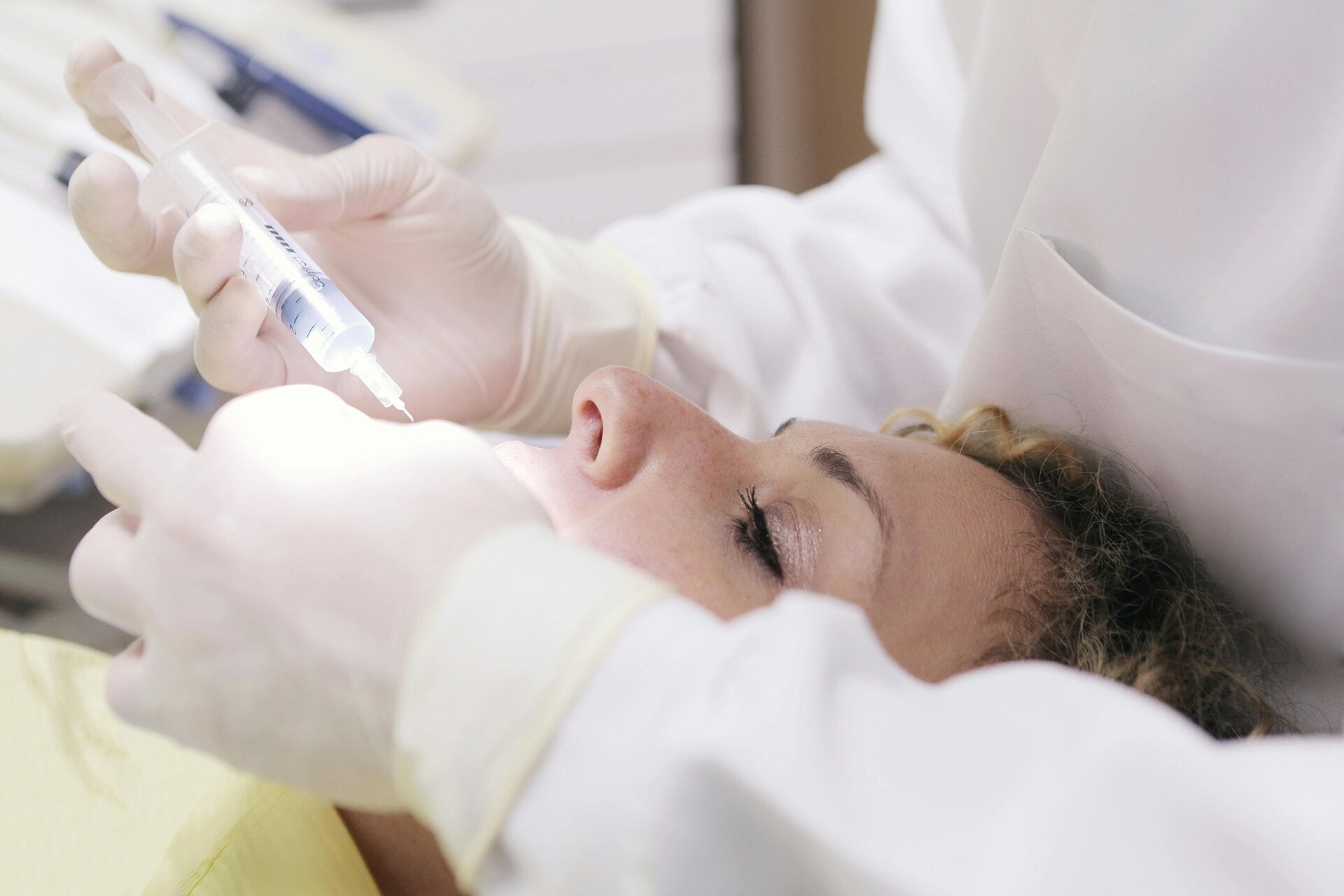
Polynucleotides have become one of the most talked-about subjects in aesthetics, particularly among patients and professionals interested in skin quality, regeneration-focused treatments and a more refined approach to facial rejuvenation.
Part of the reason they are receiving so much attention is that they reflect a wider shift in the industry. More people are moving away from the idea that aesthetics is only about volume, structure or obvious change. Increasingly, the interest is in treatments that support the skin itself, improve overall quality and fit into a more subtle, modern treatment plan.
That is where polynucleotides have entered the conversation in a significant way.
The interest is linked to a wider change in aesthetics
Aesthetics has changed noticeably over the past few years. Patients are still interested in looking fresher and more confident, but there is now far more focus on how the skin looks overall rather than only on dramatic correction or enhancement.
This has created more demand for treatments that are associated with skin quality, maintenance and a healthier-looking appearance. Polynucleotides are often discussed within that space, which is one of the reasons they have quickly become such a talking point.
For many people, the appeal is not about looking obviously different. It is about wanting the skin to look better supported, better cared for and generally fresher in a way that feels more understated.
Patients are increasingly drawn to treatments that feel more refined
One of the biggest drivers behind the popularity of polynucleotides is the fact they sit well within a more thoughtful treatment culture.
A growing number of patients are not looking for dramatic change. They are looking for refinement. They want to feel they are doing something supportive for their skin without necessarily changing the natural structure of their face. Treatments that sound softer, more regenerative or more focused on skin quality have naturally become more appealing in that environment.
Polynucleotides are often discussed in exactly that way. They are associated with a more modern aesthetic mindset, one that values skin health, subtlety and longer-term quality over fast, obvious change.
That does not mean patients always understand the treatment clearly, which is why good education around it matters.
Why the name itself creates curiosity
Polynucleotides have also gained attention because the name feels newer and less familiar than traditional treatment categories.
People may already have some understanding of filler, anti-wrinkle treatment or skin boosters, even if that understanding is incomplete. Polynucleotides, by contrast, often sound more technical and more specialised. That naturally creates curiosity. Patients want to know what they are, what they are used for and why so many people in aesthetics are suddenly talking about them.
This can be a positive thing, but it also means there is a risk of the treatment being discussed in a way that feels trend-led rather than properly explained. As with anything gaining popularity quickly, clarity becomes especially important.
Patients should not feel they need to follow a trend simply because it is being widely mentioned. They should understand where a treatment fits and whether it actually aligns with their concerns.
The treatment is often associated with skin quality rather than dramatic change
One of the main reasons polynucleotides have become so appealing is because they are commonly linked to skin quality, tissue support and a more natural-looking result.
That matters because many people do not want to look treated in an obvious way. They want to look fresher, healthier or more rested, but still like themselves. Treatments associated with this kind of outcome often attract strong interest because they feel more aligned with the way modern patients increasingly want to approach aesthetics.
This is also why polynucleotides are often discussed alongside the wider move towards subtle, regenerative and skin-focused care. The interest is not simply in what can be added to the face. It is in how the skin itself can be supported.
Consultation is still essential
As with any treatment that starts attracting attention quickly, there is a temptation for patients to focus on the name before fully understanding whether it suits them.
This is where consultation matters. It is important that patients have the opportunity to explain what they are trying to improve and what kind of result they are actually hoping for. Some may be drawn to polynucleotides because they have heard they are advanced or popular, but popularity alone is not a treatment plan.
A good consultation helps place the treatment in context. It helps clarify whether a patient’s concerns are really about skin quality, whether they are better addressed in another way, and whether expectations are realistic. It also helps shift the decision away from trend-following and towards something more individual and considered.
That is particularly important in aesthetics today, where names and buzzwords can travel faster than good explanation.
Why professionals are paying attention too
It is not only patients who are interested in polynucleotides. The treatment has also generated significant professional interest because it reflects the wider direction in which aesthetics is moving.
There is now much more discussion around regeneration, tissue quality and treatment plans that prioritise subtle improvement. This is shaping not only what patients ask for, but also how treatments are positioned within clinics and the wider industry.
When a treatment begins to align with both patient demand and the broader evolution of the sector, it tends to gain momentum quickly. That is part of what has happened here.
Realistic expectations still matter
Even when a treatment is associated with innovation or refinement, patients still need realistic expectations.
Polynucleotides may be discussed in an exciting way, but they should not be understood as a universal answer for every skin concern or every person. As with any aesthetic treatment, suitability, planning and communication remain central.
What matters most is not whether a treatment is trending, but whether it is appropriate. Patients benefit far more from a well-judged plan than from the latest popular term. A treatment can only perform well within the context of the right patient, the right goal and the right expectations.
Conclusion
Polynucleotides are getting so much attention because they sit at the heart of several important changes happening in aesthetics at once. They are linked to the growing interest in skin quality, to a more regenerative treatment culture and to a patient mindset that increasingly values subtle, refined results over obvious change.
That combination makes them highly relevant in the current market.
But as with any treatment attracting momentum, the most useful approach is a balanced one. Patients should understand why the treatment is being talked about, what kind of concerns it is associated with and whether it genuinely fits what they want to achieve.
In modern aesthetics, the treatments that tend to endure are not always the loudest. They are the ones that fit naturally into a more thoughtful and patient-focused way of approaching care.
Add comment
Comments