


Written by Elly Herriman
Menopause is often talked about as though it is one single moment in time, but for many women it is a gradual and often frustrating transition that can begin long before periods stop completely.
For some, the first signs are physical. Hot flushes, night sweats, poor sleep, headaches, vaginal dryness, joint discomfort, and changes in body shape are all common. For others, the changes feel more emotional or mental at first. Anxiety may rise unexpectedly. Confidence may dip. Concentration can feel harder. Some women describe feeling flat, irritable, overwhelmed, or simply unlike themselves.
What makes menopause difficult is not only the symptoms themselves, but the fact that they can arrive slowly, overlap with everyday stress, and affect almost every part of life at once.
Menopause is more than periods stopping
Many people still think menopause begins when periods end, but the earlier stage, known as perimenopause, is often when symptoms start to appear. During this time, hormone levels begin to fluctuate, which can lead to irregular periods as well as a wide range of physical and emotional changes.
This is one reason so many women spend months, or even years, wondering what is going on. They may still be having periods, but feel very different in themselves. Sleep may worsen, mood may change, and energy may drop. The signs are not always obvious, and they do not always look the same from one woman to the next.

Why menopause can feel so overwhelming
One of the reasons menopause can feel so disruptive is that it affects much more than reproductive health. It can influence sleep quality, skin comfort, body confidence, mental clarity, emotional resilience, and how comfortable a woman feels in her own body.
Many women continue working, caring for others, and trying to function normally while dealing with symptoms that are rarely visible from the outside. They may look fine to everyone else while privately feeling exhausted, emotionally stretched, and increasingly unlike themselves.
This is why menopause should be taken seriously. It may be a natural stage of life, but that does not mean women should be expected to simply put up with symptoms that are affecting their quality of life.
The link between menopause, weight, and confidence
Weight changes during menopause can be especially upsetting for many women. Even those who have always felt relatively stable in their body may notice a shift in shape, energy, appetite, or the way their clothes fit. Sleep disruption, stress, hormonal changes, and reduced energy can all play a part.
For some women, this becomes one of the most frustrating parts of menopause. It is not always about appearance alone. It can also be about identity, comfort, confidence, and feeling in control of your own body.
This is one reason why menopause support is increasingly being discussed alongside broader wellbeing support. Women are often not just asking about one symptom. They are asking why they feel different overall, and what they can do about it.
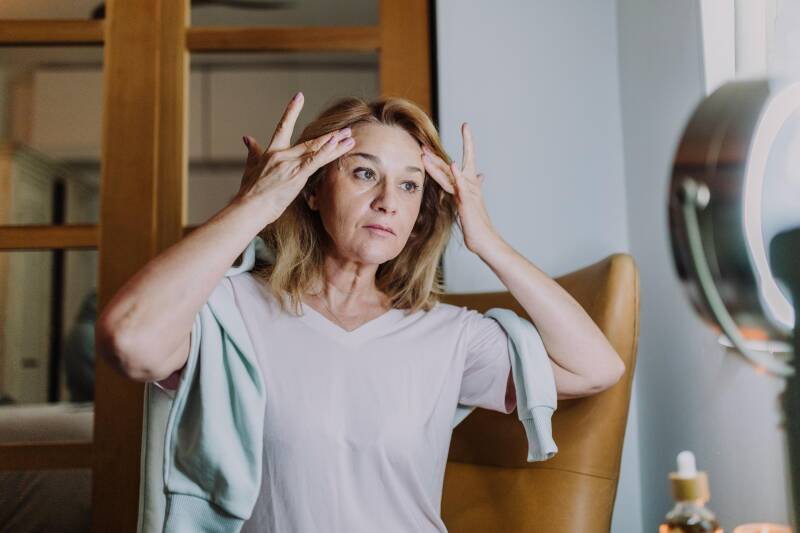
Why women are seeking support sooner
There has been a noticeable shift in how women approach menopause. More are seeking support earlier rather than waiting until symptoms become unbearable. That is an important change.
For years, many women were left feeling they had to simply get on with it. Now, more are recognising that early conversations can help them understand what is happening and what options may be available to them.
Support will not look the same for everyone. Some women may want advice on lifestyle, sleep, and symptom management. Others may want to discuss HRT. Some may need reassurance that what they are experiencing is part of perimenopause. Others may need a wider conversation about mood, confidence, or weight changes. The key point is that women should not feel they have to sit with symptoms in silence.
The importance of proper medical guidance
Because menopause affects women differently, one-size-fits-all advice is rarely enough. What matters most is being able to talk through symptoms properly, in context, with someone who understands the wider picture.
That does not mean menopause care should feel over-medicalised, but it does mean women deserve informed guidance. They deserve to understand what may be happening, what can help, and what support is appropriate for them personally.
This is partly why doctor-led support is becoming more appealing to some women, particularly those who feel their symptoms are affecting multiple areas of life at once. Clinics such as The Weight Care Clinic, led by Dr Nadia, reflect that wider interest in joined-up support, especially where menopause symptoms overlap with weight, confidence, sleep, or general wellbeing. The point is not that every woman needs a clinic, but that many women benefit from feeling listened to properly and having the chance to discuss their options earlier.
Menopause deserves a better conversation
There is still a tendency to minimise menopause by talking about it too casually. Yet for many women, it can be one of the most physically and emotionally disruptive stages of adult life.
A better conversation around menopause would be more honest. It would recognise that some women cope reasonably well, while others struggle a great deal. It would recognise that symptoms are not always visible. It would also recognise that asking for help is not overreacting. It is often the most sensible step a woman can take when her sleep, mood, confidence, relationships, or comfort are being affected.
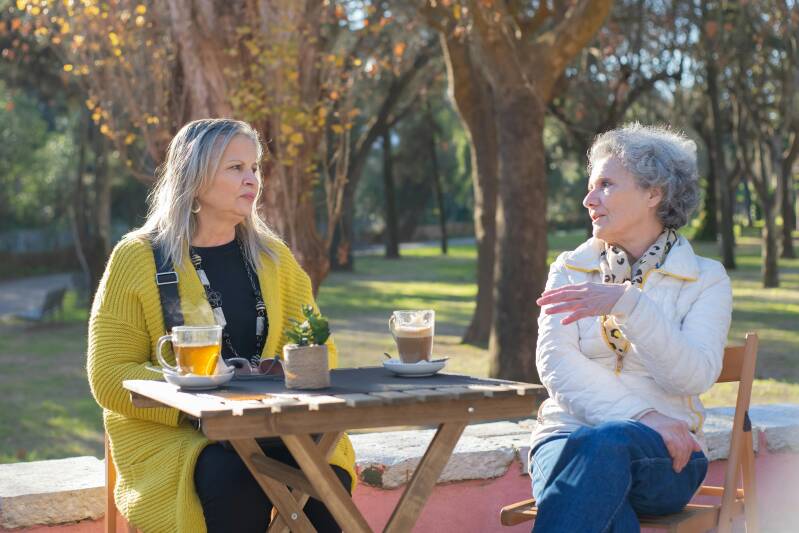
Menopause is not simply about periods ending. It is a wider transition that can affect the body, mind, confidence, sleep, and daily quality of life in ways that are often underestimated.
The most important thing women should know is this: they do not have to just put up with it.
Whether support comes through better information, earlier conversations, lifestyle changes, HRT discussions, or doctor-led care, menopause should be approached as something worth understanding properly. And for women who feel overwhelmed, confused by symptoms, or unlike themselves, that understanding can be the first real step towards feeling better.
Add comment
Comments