


For many women, weight is not just about food, exercise or willpower.
It is often connected to hormones, stress, sleep, confidence, anxiety, fertility, postpartum recovery, menopause, medication, lifestyle pressures and emotional wellbeing. Yet so much of the conversation around weight still feels too simple, too harsh and too focused on the number on the scales.
That is why the conversation needs to change.
Women do not need more guilt. They need better support, better information and care that looks at the whole person.
Weight is often part of a much bigger picture
When a woman says she is struggling with her weight, there is often much more going on underneath.
She may be exhausted from poor sleep.
She may be navigating perimenopause or menopause.
She may be trying for IVF and feeling pressure around weight criteria.
She may be postpartum and trying to recognise her body again.
She may be struggling with anxiety, low mood or emotional eating.
She may be dealing with stress, hormones, cravings or a complete loss of confidence.
This is why “just eat less and move more” is rarely helpful.
For many women, weight is not an isolated issue. It is linked to how they feel physically, mentally and emotionally.
Weight, Wellbeing and Women’s Health: Why Support Needs to Look at the Whole Picture

The emotional side of weight is often ignored
Weight can affect confidence, self-esteem, relationships, social life and mental wellbeing.
Many women feel embarrassed to ask for help because they worry they will be judged. Others have tried multiple diets, plans or online programmes and feel like they have failed, when in reality they may never have had the right support in the first place.
Anxiety, stress and low mood can also play a role. When someone is overwhelmed, exhausted or emotionally drained, it becomes much harder to make consistent changes. This does not mean they lack discipline. It means they need support that takes their real life into account.
A more compassionate approach to weight care recognises that mindset, emotions, habits, health, hormones and environment all matter.
IVF and weight criteria can feel overwhelming
For women trying for IVF, weight can become an incredibly sensitive subject.
Many fertility services have weight criteria linked to treatment access, safety and outcomes. For some women, being told they need to lose weight before fertility treatment can feel devastating, especially when they are already facing uncertainty, appointments, waiting times and emotional pressure.
Support in this area needs to be handled carefully.
It should never feel like blame. It should not feel like another barrier. It should be about helping women feel supported, guided and more in control while they work towards the next step in their fertility journey.

Menopause and perimenopause can change everything
Perimenopause and menopause can bring changes that many women feel completely unprepared for.
Weight gain, changes in body shape, sleep disruption, anxiety, low mood, brain fog, cravings and fatigue can all affect daily life. Many women say they feel like their body has changed almost overnight.
This stage of life needs more honest conversation.
Women should not be made to feel like they are simply “letting themselves go”. Hormonal changes can affect appetite, energy, metabolism, sleep and mood, which is why support needs to look beyond diet alone.
Postpartum wellbeing deserves more attention
After pregnancy and childbirth, women are often expected to recover, care for a baby, manage sleep deprivation, adjust emotionally and somehow “bounce back” at the same time.
The reality is very different.
Postpartum wellbeing can involve body changes, hormonal shifts, low energy, anxiety, loss of identity, emotional overwhelm and changes in confidence. For some women, weight becomes part of this picture, but it should never be treated in isolation.
Postpartum support should be kind, realistic and focused on health, recovery, confidence and feeling like yourself again, not pressure or unrealistic expectations.

Why doctor-led support matters
The rise of online weight loss services has made support more accessible, but it has also created confusion.
Not every patient needs the same approach. Not every person is suitable for the same treatment. Weight care should involve proper assessment, medical history, monitoring, dose reviews where appropriate, lifestyle guidance and ongoing support.
This is where doctor-led care can make a real difference.
A medical approach allows weight to be considered alongside wider health, medication, symptoms, hormones, mental wellbeing, fertility goals and individual circumstances. It gives patients structure, safety and a clearer plan.
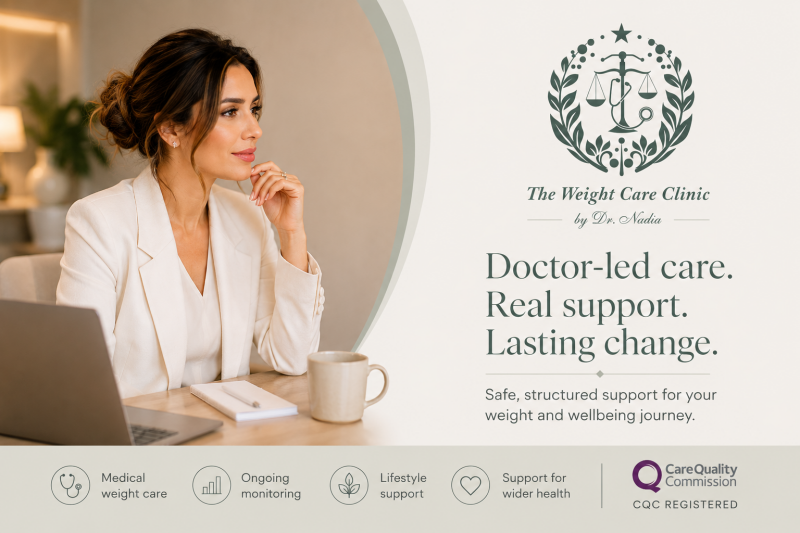
The Weight Care Clinic is a CQC registered, doctor-led service supporting patients with medical weight care and wider wellbeing. The focus is not quick fixes or judgement, but safe, structured care that helps patients feel properly supported.
Women do not need to do this alone
Whether someone is navigating IVF, menopause, postpartum changes, anxiety, low confidence or weight concerns, the message should be the same:
You do not have to do this alone.
Weight and wellbeing are deeply personal. For many women, asking for help is not about vanity. It is about health, confidence, energy, emotional wellbeing and wanting to feel more like themselves again.
The future of weight care needs to be more supportive, more informed and more human.
Because women deserve care that sees the whole picture, not just the number on the scales.

How The Weight Care Clinic can help
The Weight Care Clinic provides doctor-led, CQC registered care for patients who want safe, structured support with weight and wellbeing.
This can include medical weight care, ongoing monitoring, lifestyle support and guidance for people navigating wider health concerns such as fertility, menopause, confidence, energy and emotional wellbeing.
For patients who feel overwhelmed, stuck or unsure where to start, having proper medical support can make the journey feel clearer, safer and less lonely.
Add comment
Comments